Feeding
What A Baby Under One Drinks Besides Milk
Water enters a baby's day only once solid food does, and the reason has to do with how little room there is in a small stomach.

Drinks other than milk arrive later than most people expect, and the reasoning is arithmetic. A baby's stomach is small, and anything that fills it displaces something that was carrying nutrition.
Milk already contains the water
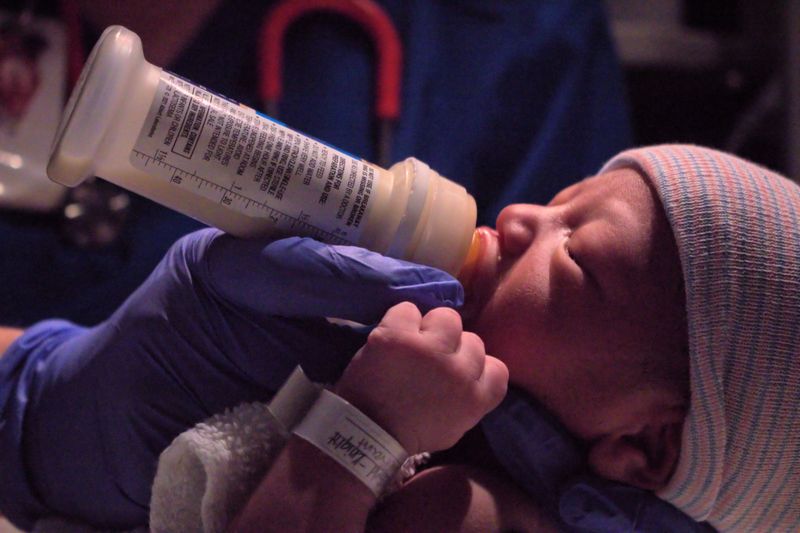
Breast milk and prepared formula are mostly water, so a baby taking normal feeds is already meeting fluid needs. Additional water is not filling a gap, it is competing with milk for space.
This is why extra water is generally not recommended before solid foods begin. The exception is hot weather or illness, where advice comes from a health professional rather than from a general rule.
The principle also explains why over-diluting formula is treated so seriously. It converts a nutritional feed into something closer to water without the family realising.
Water arrives alongside food
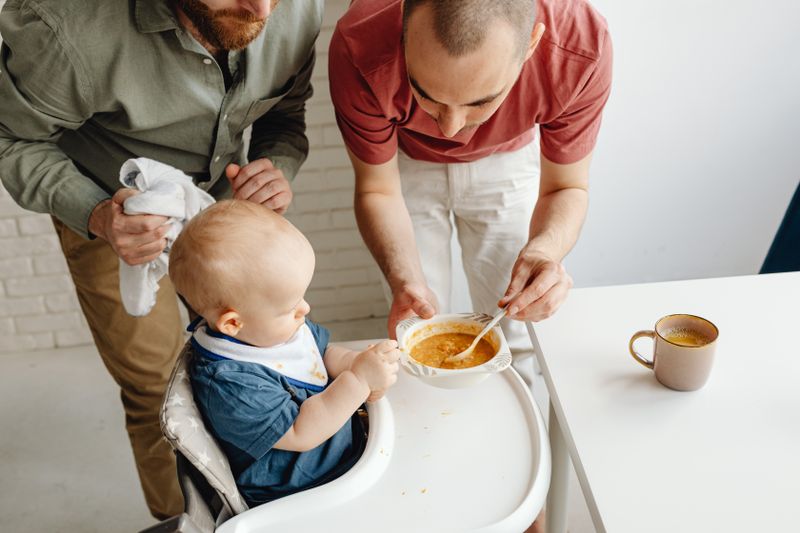
Once solids start, food replaces some of the fluid that milk was providing, and a small drink of water with meals becomes useful. It also helps with the mechanics of swallowing drier textures.
Volumes at that stage are small, and a baby will usually take only a few sips. The purpose is as much learning to drink from a cup as it is hydration.
Open cups and free-flow lidded cups are generally preferred over valved spouts, because they involve a sipping action rather than sucking. That difference matters for oral development.
Juice and sweet drinks are a different category
Fruit juice concentrates sugars that would be bound up in fibre in whole fruit, and it bathes emerging teeth in acid and sugar. Both effects apply from the first tooth onwards.
Sweet drinks also shape preference. A baby who becomes accustomed to sweetened fluid is being taught something about what a drink tastes like.
Where juice is given at all, most guidance restricts it to a diluted form with a meal rather than between meals, precisely to limit that acid exposure.
Some drinks do not belong in the first year at all
Tea and coffee contain compounds that reduce iron absorption, and caffeine has no place in an infant diet. Both work directly against the nutritional priorities of that year.
Unmodified plant drinks are low in the protein and fat density a baby needs, and vary widely in fortification. They are not substitutes for milk feeds in infancy.
If a baby cannot take standard milk feeds for medical or dietary reasons, the replacement should be chosen with a dietitian or paediatrician rather than from a supermarket shelf.
Questions readers ask
When should allergens be introduced?
This differs by country and has been revised, so take it from the health body where you live. If there is any family history of allergy, speak to a professional first.
My mother says to delay certain foods. Is she right?
She may be describing advice that was current when she was following it. Guidance has changed in several countries, so check the current version published where you live.
Also by Shalu Prasad
- The fourth trimester is a framing, not a diagnosis, and it helps anywayThe Newborn Weeks
- Nobody warns you about the two-week visitor waveThe Newborn Weeks
- The first fortnight at home is a logistics problem nobody set up for youThe Newborn Weeks
- Crying often peaks in the early weeks before it easesThe Newborn Weeks