The Newborn Weeks
Why Newborn Skin Peels And Changes Color So Much
A newborn's skin spends the first weeks adjusting from a fluid environment to air, which produces peeling, blotching and color changes that follow the physiology.

Newborn skin does a great deal in the first weeks, most of it visible and most of it unfamiliar. The changes follow from what skin had been doing before birth.
The outer layer was built for fluid
Skin developing in amniotic fluid is protected by a waxy coating, and the outermost layer beneath it has not been exposed to air or to the drying that comes with it.
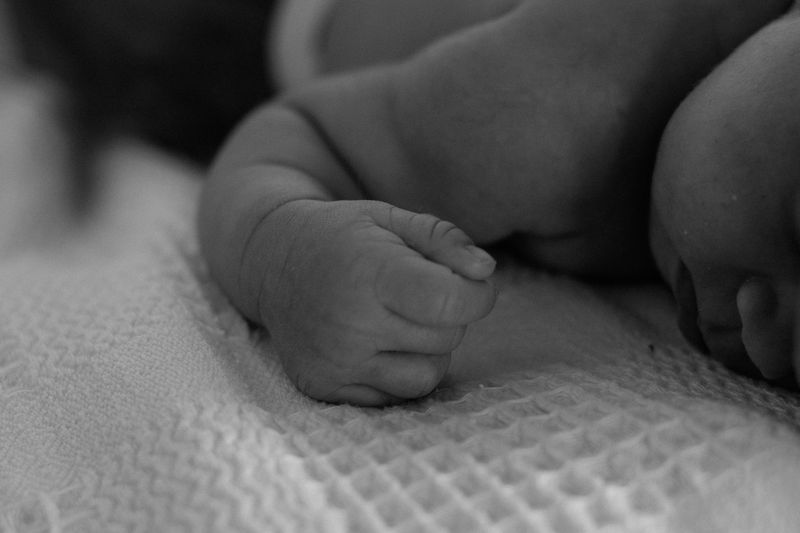
After birth the surface dries and the outermost cells separate and shed, which is what peeling represents. It is most noticeable at the ankles, wrists and hands.
Babies born past their due date often peel more, since the protective coating has largely gone by then and the drying process started earlier.
Blood vessel control is still immature
Newborns regulate the diameter of small skin vessels imprecisely, so blood flow to the skin shifts more dramatically than it does later.
This produces mottling in cool conditions and the striking transient color differences that parents sometimes notice when a baby lies on one side.
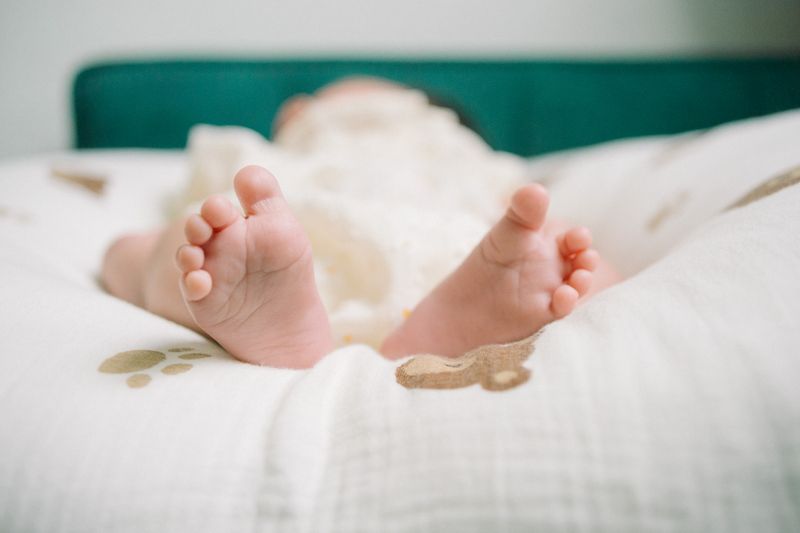
Hands and feet frequently look bluish while the trunk and face are pink, which reflects circulation to the extremities rather than a problem with oxygenation.
Several common rashes are transient
A number of newborn skin findings appear in the first days and resolve without treatment, and they have recognized names precisely because they are so common.
Others relate to maternal hormones circulating in the baby, which affect oil glands and can produce spots in the first weeks before settling.
Distinguishing between these is a clinical task, and it is one reason newborn checks include a skin examination rather than relying on parental description.
Color changes that are not cosmetic
Yellowing of the skin and eyes relates to bilirubin and is assessed by measurement rather than by eye, which is why hospitals and pediatric offices use a device or a blood test.
Blue coloring around the lips, tongue or face, pallor, or a color change accompanied by breathing difficulty are different in kind and are urgent rather than routine.
These distinctions are why pediatric offices ask parents to call about color, and why the answer is an assessment rather than reassurance over the phone.
Less intervention than parents expect
Newborn skin care guidance from pediatric bodies is generally minimal, and products marketed for newborn skin are not necessary for the peeling to resolve.
Frequent bathing removes oils that the skin is producing for a reason, and published guidance addresses bathing frequency in the newborn period specifically.
Any persistent, spreading or blistering rash, or a rash with fever, is a reason to be seen rather than to treat at home, and the pediatrician is the right first contact.
Questions readers ask
When will my baby get into a routine?
The range is wide enough that no useful average exists. Some settle into a rough pattern within a couple of months, others take considerably longer, and both are ordinary.
Should I wake a newborn to keep to a schedule?
Whether and when to wake a baby for feeds is a clinical question that depends on the individual baby. Ask your midwife or health visitor rather than following a general rule.
Also by Ekta Ranjan
- Newborns make far more noise asleep than anyone tells youThe Newborn Weeks
- Who checks on a newborn in the early weeks, and what they are looking atThe Newborn Weeks
- Skin-to-skin costs nothing and is the least complicated thing in the dayThe Newborn Weeks
- Partners get a smaller share of everything, including the supportLooking After Parents